Barn Raising
Barns were traditionally made of wood. Steel is the new standard.
Story: Ian VanDuzer
Photography: Daniel Banko
Back in “the olden days,” a new barn was a community effort. Entire communities would turn out, everyone lending a hand to build a frame, lift the structure, and then raise the roof. Farmers would gather after morning chores to start construction, wives would set out chairs and cook food for the workers, and children would chase the farm dogs and animals around the yard.
Bob Taylor, Co-Founder of Rural Building Solutions, says that the more things change, the more things stay the same. Barn-raising is no longer a communal, community effort, but that doesn’t stop everyone from getting involved, anyways.
“We’ll get the crane in for the few days we need it, and everyone will stop by to watch a little,” Taylor laughs. “Farmers are tight-knit folks, so they’re always interested in what’s going on with the Neighbours.”
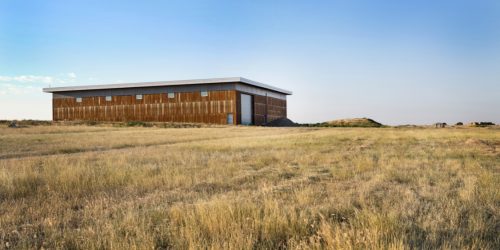
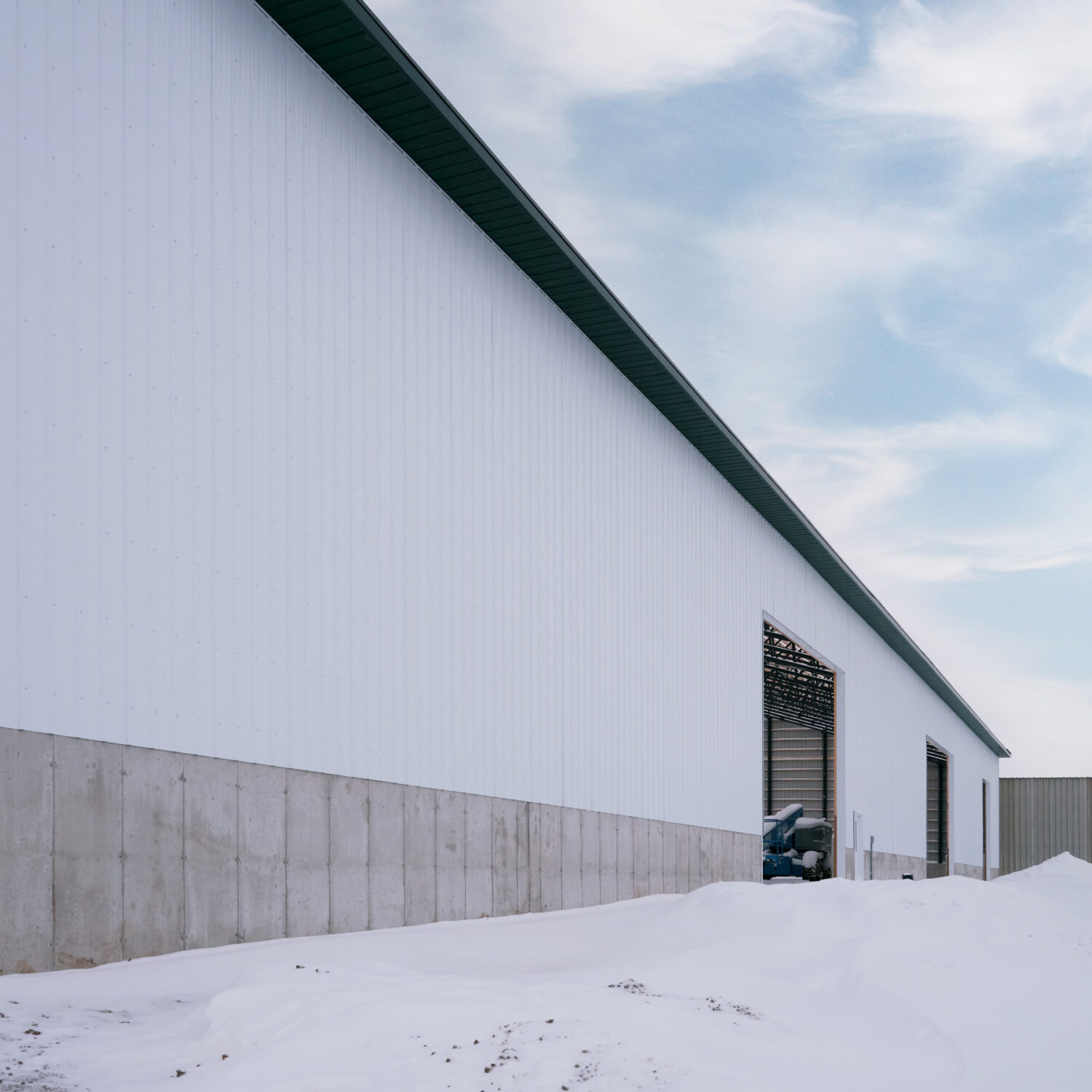
Rural Building Solutions doesn’t like to put their products in a box. Their pre-fab steel buildings (“99% steel, I’d say,” claims Taylor) are multi-purpose and can be adapted to any purpose. Even still, the main use for their products is right there in the name: rural outbuildings, overwhelmingly suited for agricultural uses.
Raise the Roof
When we talk about barns, Taylor says, we’re talking about large buildings that serve all manner of purposes. “If you’re a commodity farmer, you’d use them for storing crops, or for storing your combines and equipment,” he explains. Tweaks to the design make the buildings suitable for dairy farmers and housing other livestock, as well. Adding insulation would also prepare the buildings to be residential “barndominiums” in a pinch. “You can do a lot with the system we have,” says Taylor.
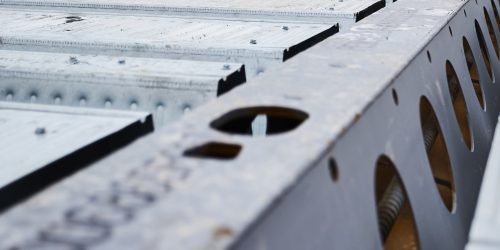
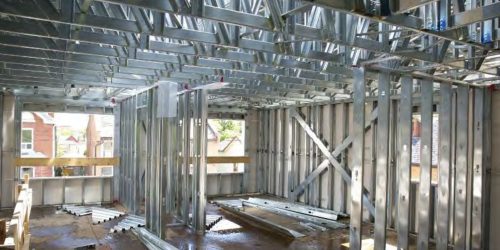
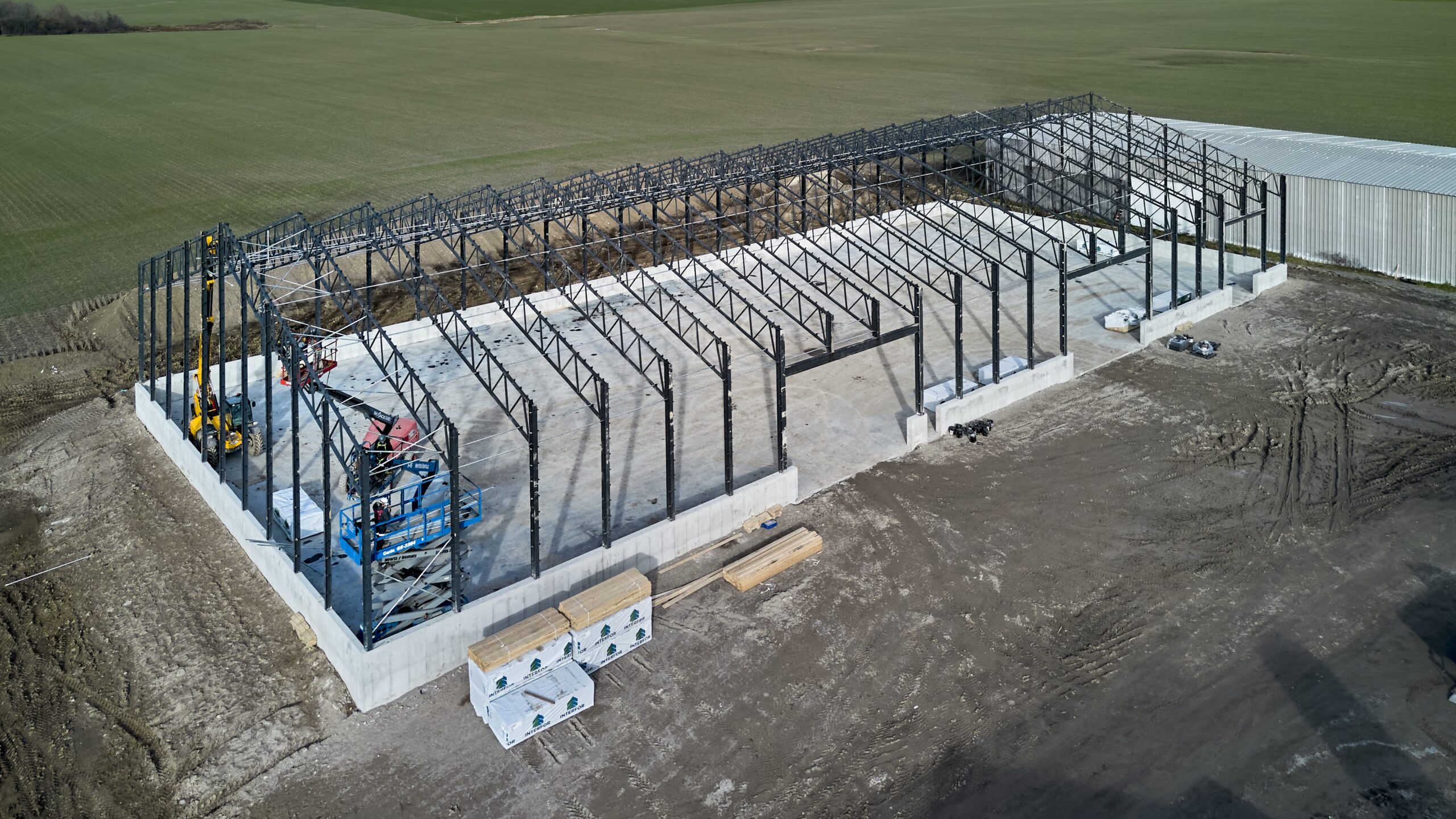
Rural Building Solutions handles the procurement and construction of the barns, but the backbone of the operation is the steel structure. “That’s our differentiator,” says Taylor. These structures are created in partnership with Wright Structures, a fabricator based in Ottawa, Ontario.
“Before we discovered Wright Structures, we were a stick-framing company,” Taylor recalls. “And then the second we tried a Wright Structures system, I looked at my business partner, and told him, ‘I don’t know about you, but I’m never going back.’”
A Matter of Days
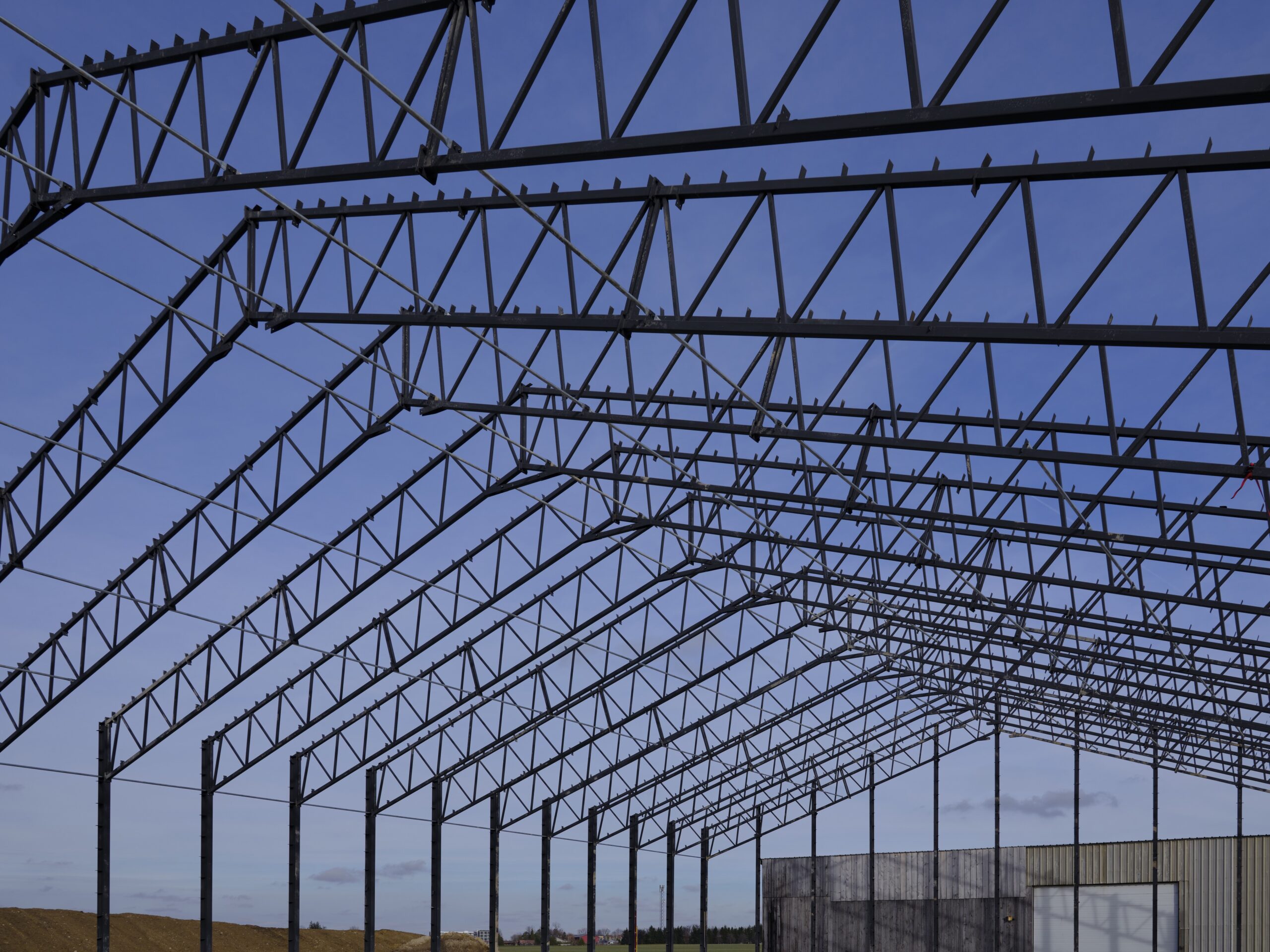
The partnership is key, Taylor says, because of the advantages of working with steel. Steel structures—as well as the steel siding and roofs Taylor sources separately from fabricator Vicwest Building Products—build fast and efficiently.
“We save time on site, because we don’t have to drill holes. Everything lines up perfectly,” Taylor says. That sort of precision takes pre-planning, but it’s a possibility with steel, where it isn’t with other materials.
And speaking of time, Taylor can’t stop grinning when he talks about his production schedule. “Days,” he laughs. “Not weeks.”
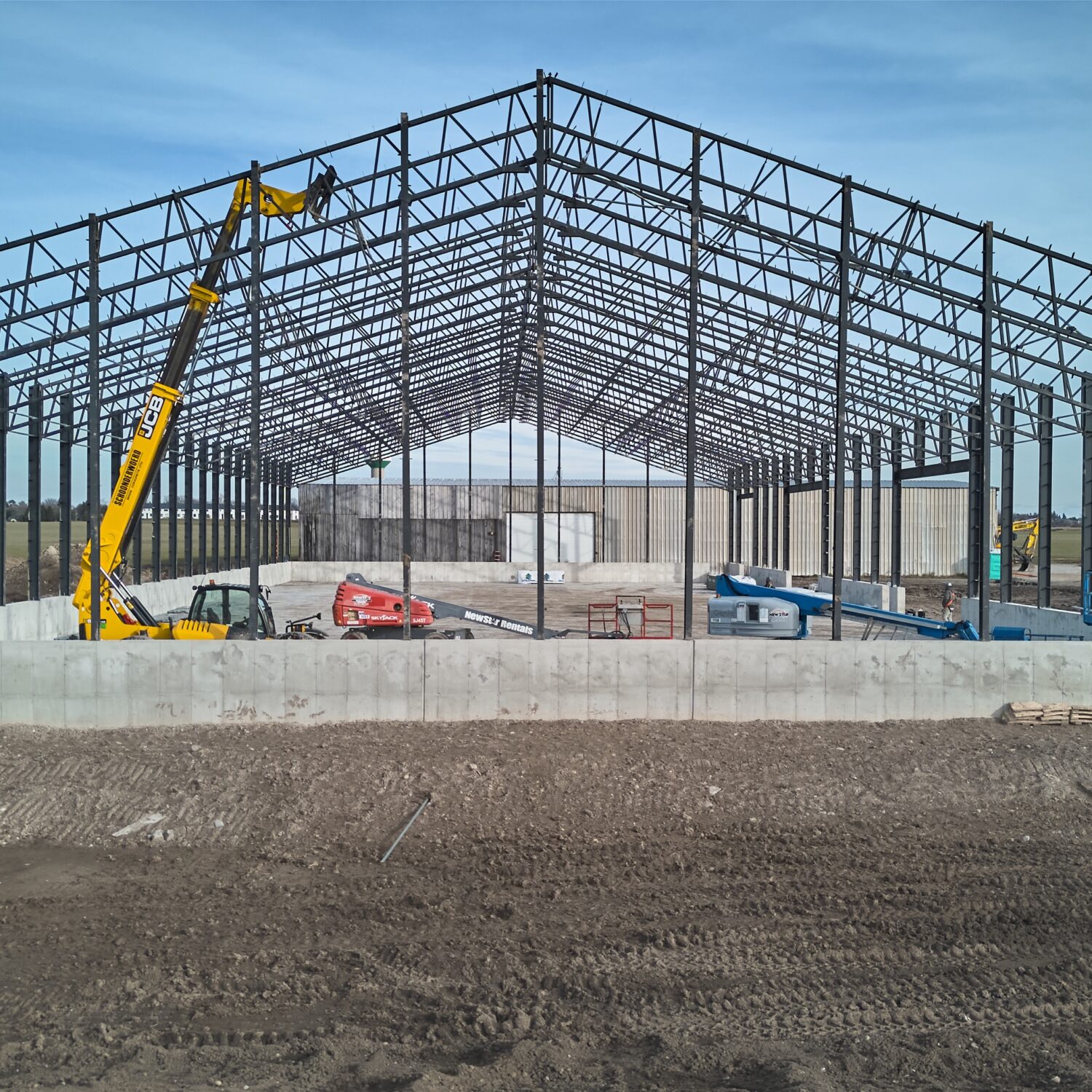
Timing obviously depends on numerous factors: weather, size, and availability of materials. But however you look at it, Rural Building Solutions buildings go up fast.
“If we’re doing a 160-by-400-foot dairy barn...” Taylor muses, “we’re talking a month, a month-and-a-half and you’re driving out of the driveway looking back going, ‘Good job, boys. This was awesome.’”
Taylor says that “crane days”—where the vast majority of the structure is raised—last one or two days, a speed that challenges the single-day all-community barn raisings of yesteryears. He goes back to the crowds of neighbours that gather when the cranes arrive on-site. “I’ve heard, ‘It’s like watching a timelapse video,’” Taylor smiles.
Avoiding Collapse
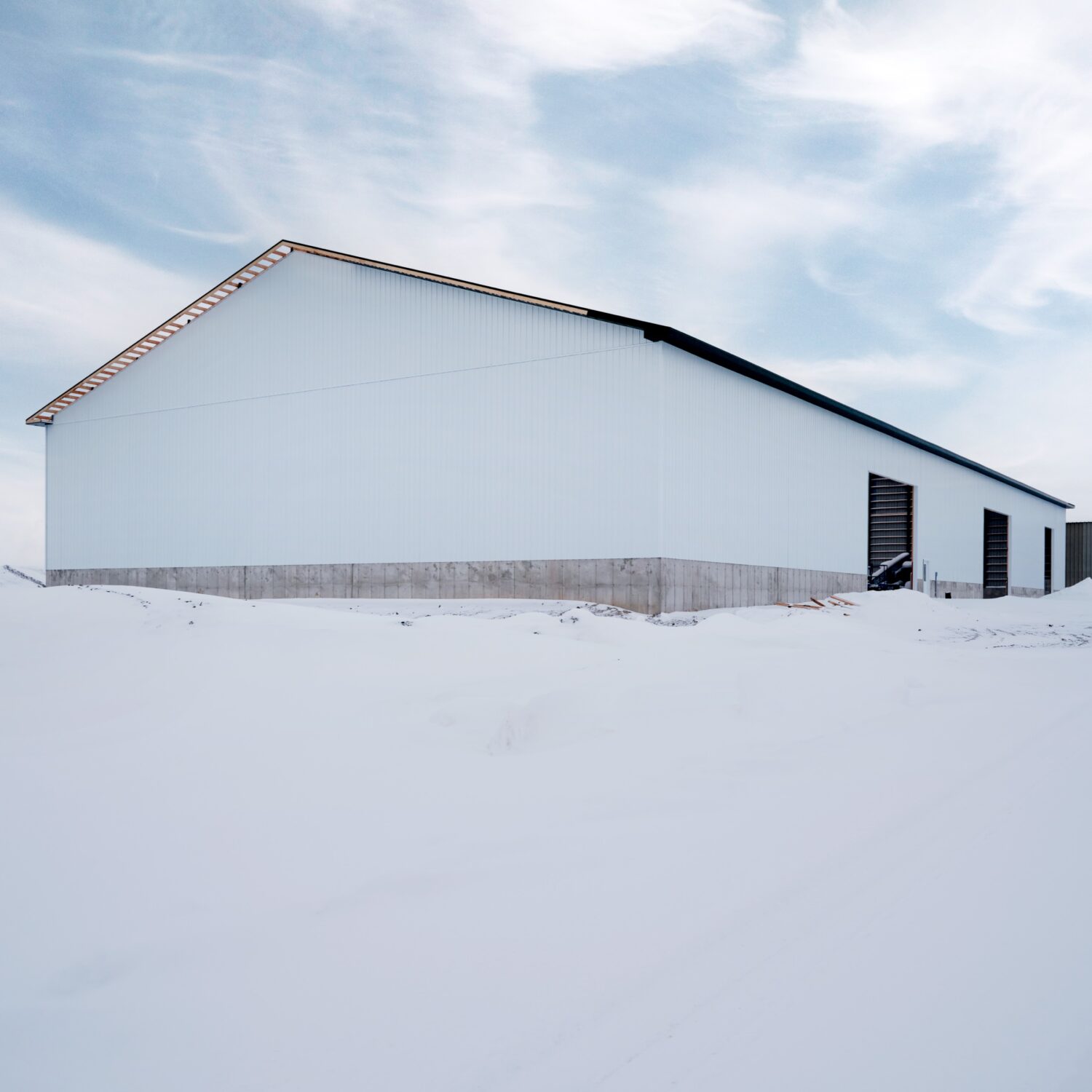
Historically, barns and other agricultural outbuildings were constructed out of wood. Over time, wood siding and shingles have been replaced by other, more durable materials; nowadays, it’s more common to see steel-sheathed barns than any other material.
But beneath the skin, Taylor says, barns still use “stick” frames: timber supports. While consistently safe, these timber structures are at greater risk of collapse, especially as the buildings age, and especially as storms become more severe.
2025 was a terrible year for building collapse in midwestern Ontario (a wide, rural stretch of land that starts at the eastern shore of Lake Huron and continues to Barrie, north of Toronto). More than 70 buildings collapsed in the region last year, most of them due to a brief maelstrom of heavy snows, quick melts, and ice storms in February-March.
No type of building was spared—collapses included hardware stores, hotels, and parking garages—but the majority were barns: livestock, dairy, horse barns and stadiums; agricultural buildings that require large spans and larger footprints.
Another common thread: timber structures.
Taylor raised this point during our conversation. Steel structure is obviously not a guarantee that collapses won’t happen, but Taylor says that his buildings are better equipped to withstand winter storms. “We design for snow load, for wind load,” he says.
“You can’t really compare wood to steel for strength. You just can’t.”
The Future of Barn Buildings
Taylor says that he can offer farmers a competitive or better product at a better price than typical construction. “There’s the old saying of, pick two: you can have it fast, cheap, or good,” he says. “But I really do believe that with these steel outbuildings, you really can have all three.”
We’ve already talked about the speed of which these buildings are constructed, which Taylor says also factors into the costs. “The longer a construction takes, the longer a farmer has to wait before they can use their barn,” he points out. “That’s lost revenue.”
Rural Building Solutions cuts down on time—and thereby costs—by using a familiar and reliable, well-designed product, assembled by a well-practiced and experienced crew.
In terms of strength, Taylor points to guarantees from their steel fabricators as proof of their longevity: “Any wood structure over 40 years old is going to get tired. It’s going to get dry rot. It’s going to start to leak,” he explains. “But with steel, we have a 40 year warranty on all painted surfaces.
“I don’t want to honk my own horn,” Taylor laughs. “But we’re really proud of our product. It’s awesome to see these buildings go up day-to-day. It’s just really fun.
“And it starts right there at the roots, with Wright Structures providing us with an awesome, superior product.”
SPECIFICATIONS
CONTRACTORS/ASSEMBLY:
Rural Building Solutions
STEEL FABRICATORS:
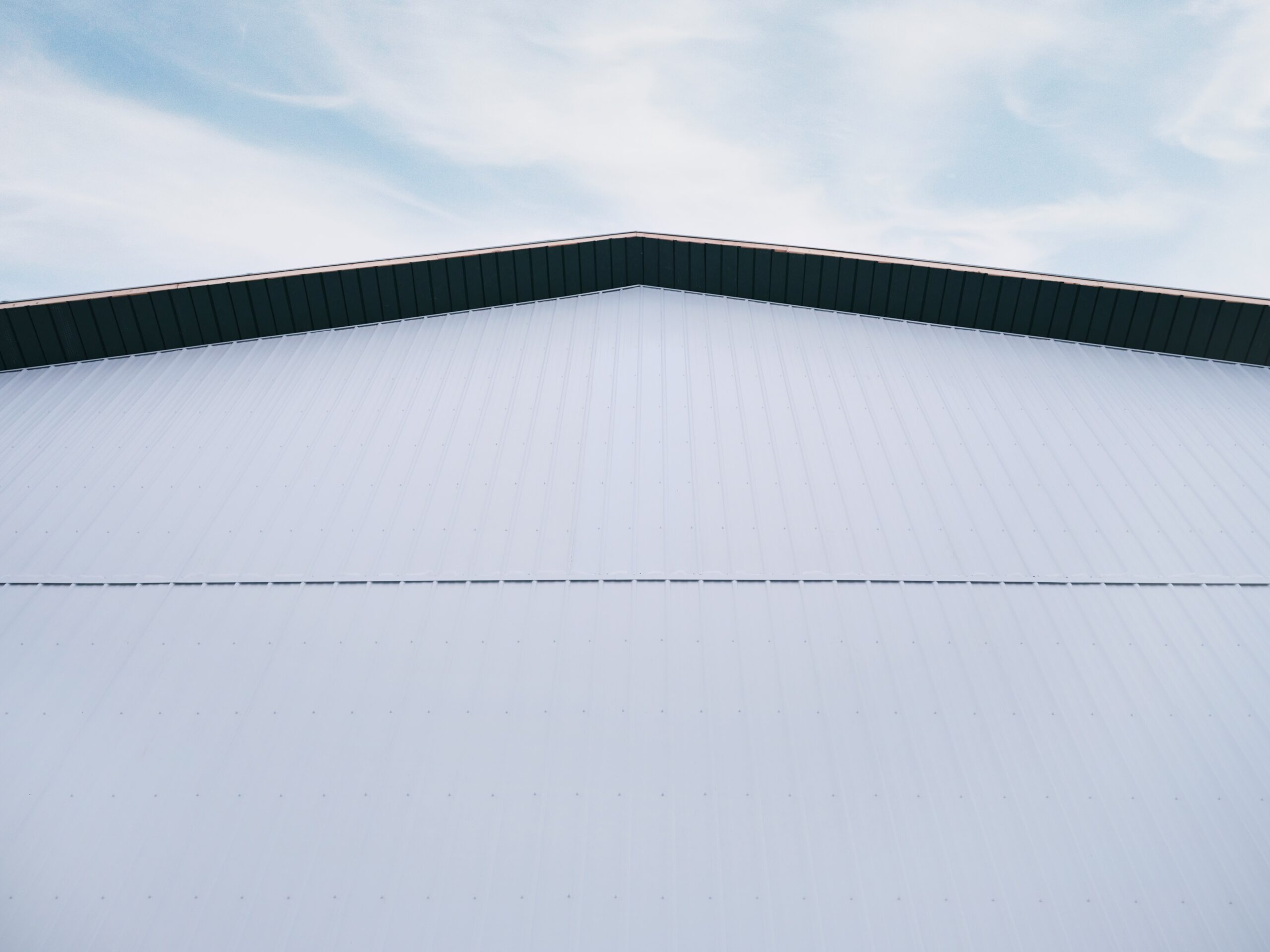
Wright Structures; Vicwest Building Products
PRODUCT:
Ultravic, Supervic, DRS36 Weather XL Steel; pre-painted; 28 and 26 gauge