LEEDing the Way
Groupe Montoni wants their Écoparcs to be the model others strive towards
Story: Ian VanDuzer
Photography: Adrien Williams
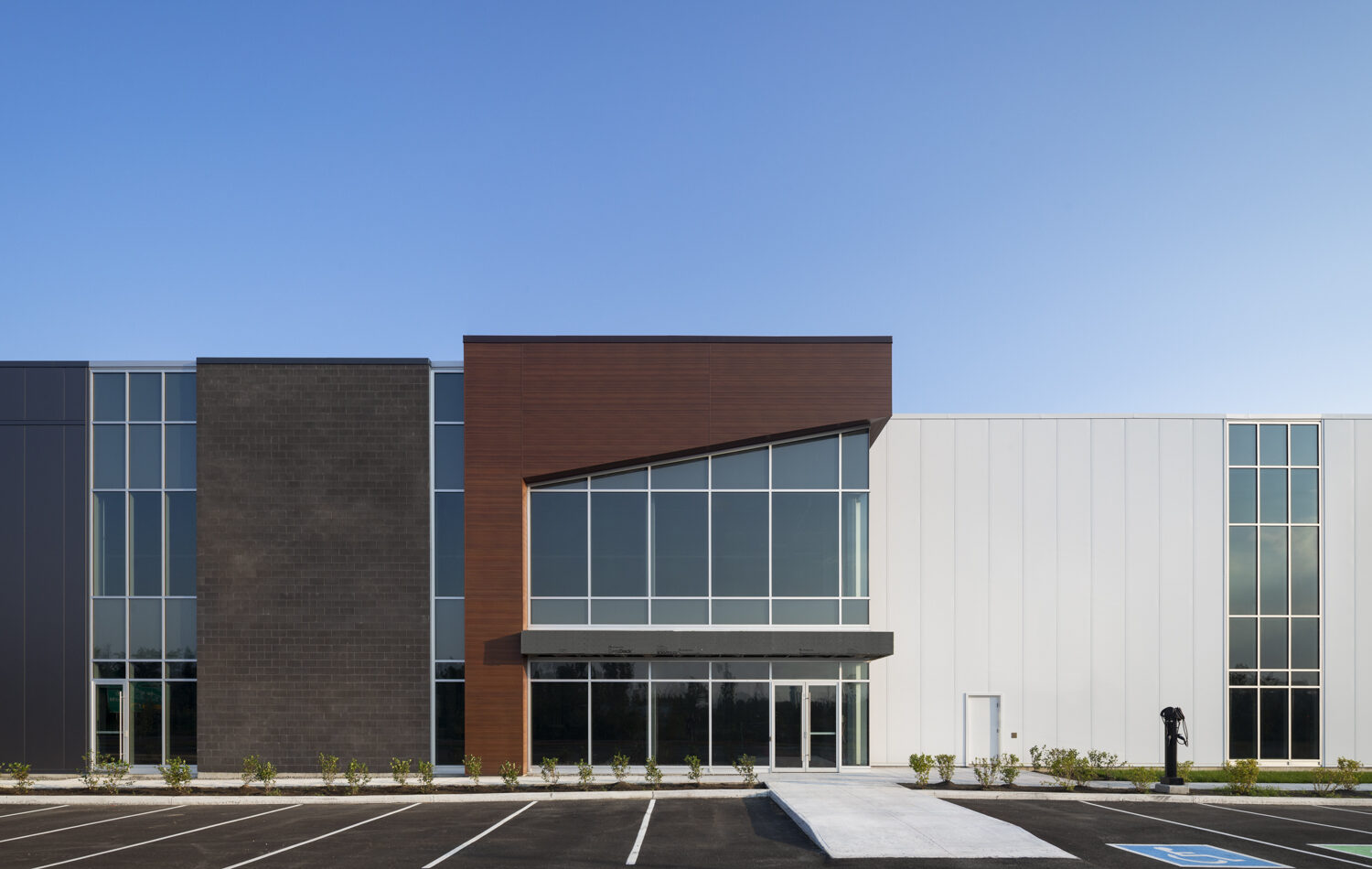
LEED shouldn’t be a new term to anyone working in the Canadian construction industry. The Leadership in Energy and Environmental Design standard is an internationally recognized rubric that certifies whether a building has achieved various levels of environmental milestones. Many cities across the country, including Vancouver, Toronto, and Ottawa, have mandated that new builds, retrofits, and developments must achieve LEED certification (or equivalent metrics) to pass through the approvals process.
As more emphasis is placed on environmentally-sensitive building practices, certain developers are flexing their design chops and diving into innovative, creative, and sustainable projects that highlight the future of building and construction. Groupe Montoni is one such developer, one of a bevy of Quebecois builders that put sustainability at the forefront of their designs. For Montoni, sustainability is not a buzzword or a trend; it is a main selling point of their developments.
Walking the Talk
Since 2008 — when the developer completed its first LEED certified industrial park — Montoni has been at the forefront of developing with sustainability in mind. In 2013, Montoni was given a Leadership Award by the Canada Green Building Council, the organization that manages Canada’s LEED requirements, recognizing their efforts to build sustainable developments and push toward more sustainable building practices.
But recently, Montoni has taken another leap forward through their Écoparc developments. Together, these sprawling projects represent a possible future of LEED-certified buildings in Canada.
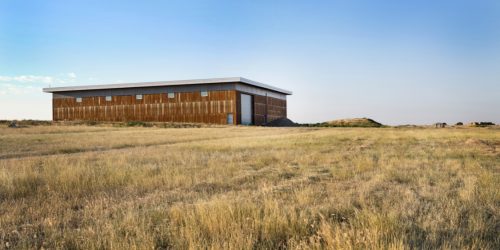
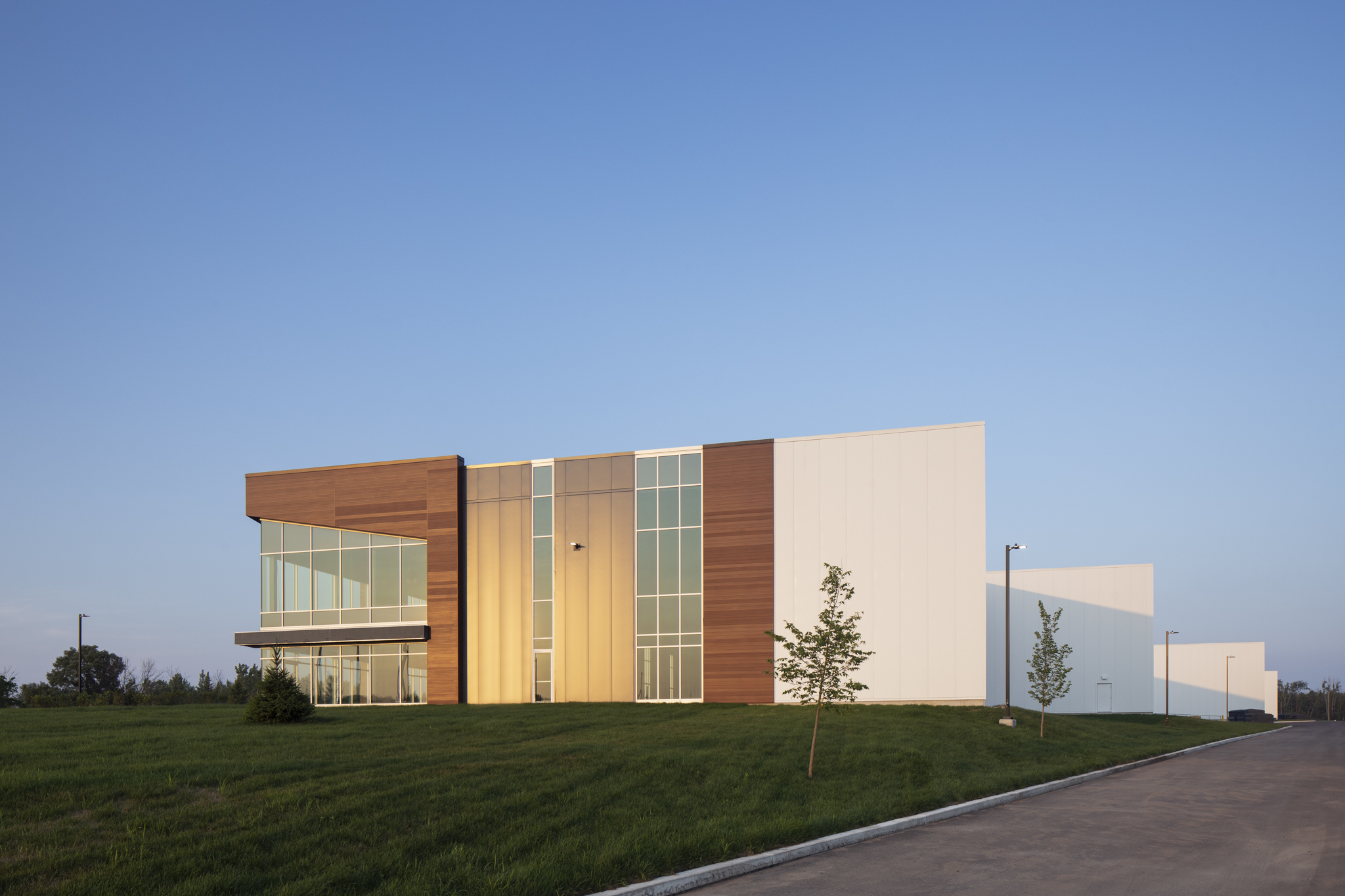
In 2024, Montoni opened the doors to Écoparc Saint-Bruno, a 1.6 million square foot industrial park located just moments from the Montreal airport. A year later, in 2025, they opened Écoparc Châteauguay 30, an almost 450,000 square foot industrial campus that cost $95 million and is targeting a LEED Gold rating (more specifically, a LEED v4 BD+C: Core and Shell certification). A third Écoparc in Laval is currently in development, seeking a LEED Silver rating. With over half a billion dollars invested in these three projects, it’s clear that Montoni is doubling down on the importance of meeting LEED standards as a competitive advantage.
Making an Écoparc
The Écoparc is an industrial campus, designed with sustainability in mind. Industrial spaces aren’t necessarily thought of as being environmentally friendly, but that’s a perception that Montoni is trying to change.
Achieving a LEED Gold rating is as much to do with removing building issues as it is adding features. Designing with sustainability in mind means making one change that has multiple benefits. Écoparc Châteauguay 30 opted not to include any outdoor irrigation, potentially sacrificing a magazine-perfect lawn in favour of saving potable water. Minimizing parking lot space saves materials, while also adding heat-island mitigation features that minimize heat absorption and lower surrounding temperatures.
There is no singular answer to achieving LEED status. Écoparc Saint-Bruno, for example, boasts the largest private green roof in Canada, while Écoparc Châteauguay 30’s roof boasts 200 solar panels that generate almost 10% of the building’s energy needs.
“Écoparc Châteauguay 30 reflects our ambition to raise the standards of industrial real estate,” Patrick Coté, Director, Sustainable Development at Montoni says in an email. “We want to demonstrate that a high-performance building can also be exemplary from an environmental standpoint — today and for years to come”
Steel — inside and out
LEED certifications are focused more on ongoing energy and water use than building methods, but the materials used during construction play an important role in achieving Gold status. And when it comes to those materials, steel is a key component.
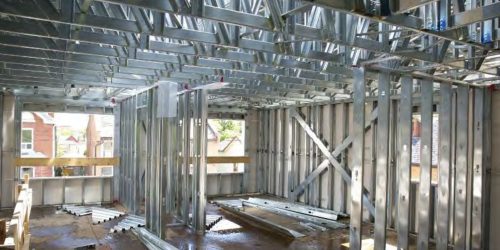
A LEED-certified building relies on a number of systems working in concert to lower environmental impact; those systems need a strong box to keep them safe and working. “Steel’s durability and resistance to extreme weather conditions ensure long-term performance, while its near-infinite recyclability makes it a key material in the circular economy,” shares Coté.
That circular economy is another key factor: LEED considers the full lifetime of a building’s impact on the environment. In that case, using steel—which is proven to be recyclable and can be used again and again—scores key points. When other building materials are headed to the landfill, steel goes back to the furnace, gets melted down and reshaped into the next sustainable development. In the case of steel, a high initial carbon cost is lowered due to its reusability.
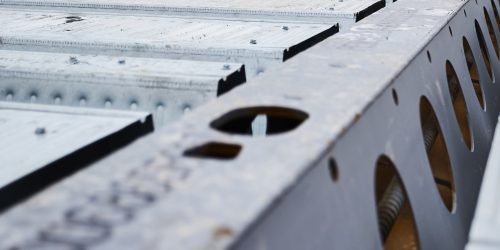
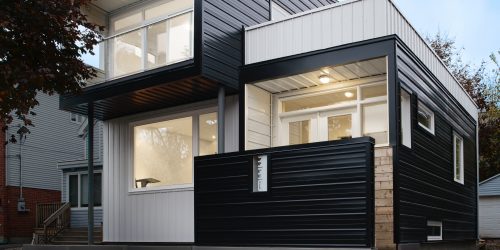
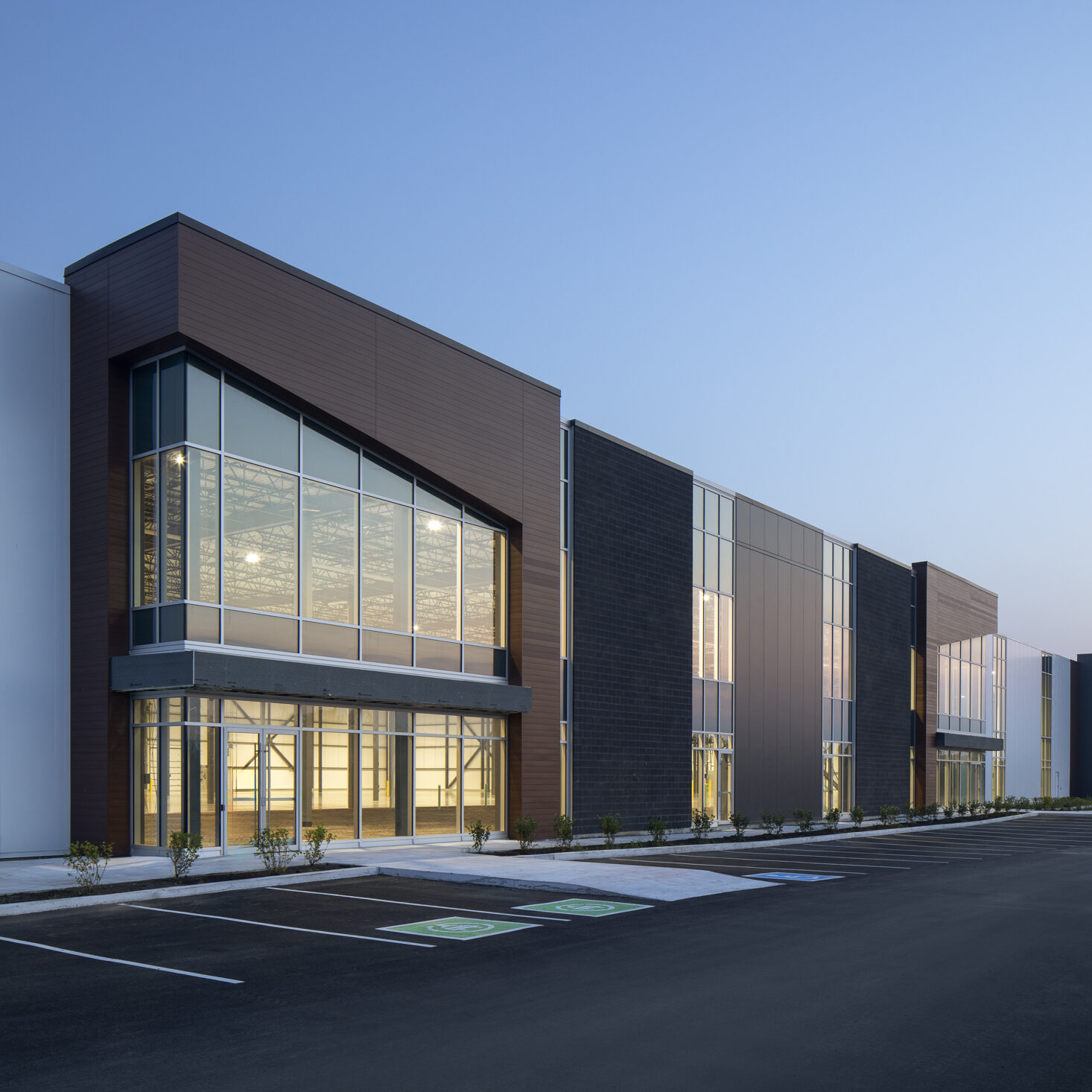
Montoni has turned to steel fabricator Quebec-based Norbec’s Norex-L panels to clad their Écoparcs. Utilizing IMPs to create the building envelope creates an insulated outer layer of the building, boosting energy efficiency and contributing greatly to LEED points needed for certification.
The Norex-L panels—produced with steel made in Dofasco’s Hamilton electric arc furnace—contained an average of 25.1% and 24.9% pre and post-consumer scrap respectively, based on 2025 production values.
The prefabricated panels offer another advantage to developers outside of recyclability and high performance, too. “Prefabrication in controlled environments significantly reduces construction waste and accelerates project timelines, thereby limiting the environmental impacts associated with the construction phase,” Coté writes. Cutting down on construction time and waste is a simple way to build up LEED points for higher certification levels; it also helps cut construction costs.
More benefits of LEED
Montoni claims that there are other benefits besides helping the environment that come along with LEED certification, pointing to increased employee productivity (an increase of 23% attributable to good lighting) and satisfaction as knock-on benefits of LEED certification.
BDC, citing a 2008 Deloitte survey, agrees, writing that after green retrofits of existing buildings, “87% of companies reported increased workforce productivity, while 81% saw improved employee retention and 75% noted better worker health”. BDC also reports that LEED-certified buildings have a 6% higher occupancy rate than similar buildings—and that their rent is, on average, 60% more per square metre.
LEED certification “offers optimized energy consumption, lower costs and an environment designed to promote occupant quality of life,” says Coté. “This type of certification also meets the rising expectations of companies that want their workspaces to reflect their corporate environmental values.”
These benefits are due to the design choices that are intrinsic to LEED-certified buildings. In order to attain higher levels of certification, architects must make choices that not only increase sustainability and energy efficiency, but also prioritize occupant comfort.
And there is one material that, above others, supports those design decisions, writes Coté: “Thanks to its high architectural flexibility and excellent strength-to-weight ratio, steel enables the design of adaptable, optimized buildings that align with the most demanding environmental certification standards.”
SPECIFICATIONS
DEVELOPER:
Groupe Montoni
STEEL FABRICATORS:
Norbec
PRODUCT:
Norex L Architectural Panel
Architects:
NEUF architect(e)s
STEEL:
ArcelorMittal Dofasco